

Introduction
Many Australian households depend on rainwater for their daily drinking needs. While this practice is common, it doesn’t mean that every tank is automatically suitable for potable use. So, is rainwater safe to drink? The straightforward answer is yes—provided that your rainwater harvesting system is well-designed, properly maintained, and treated when necessary.
Understanding Rainwater Quality
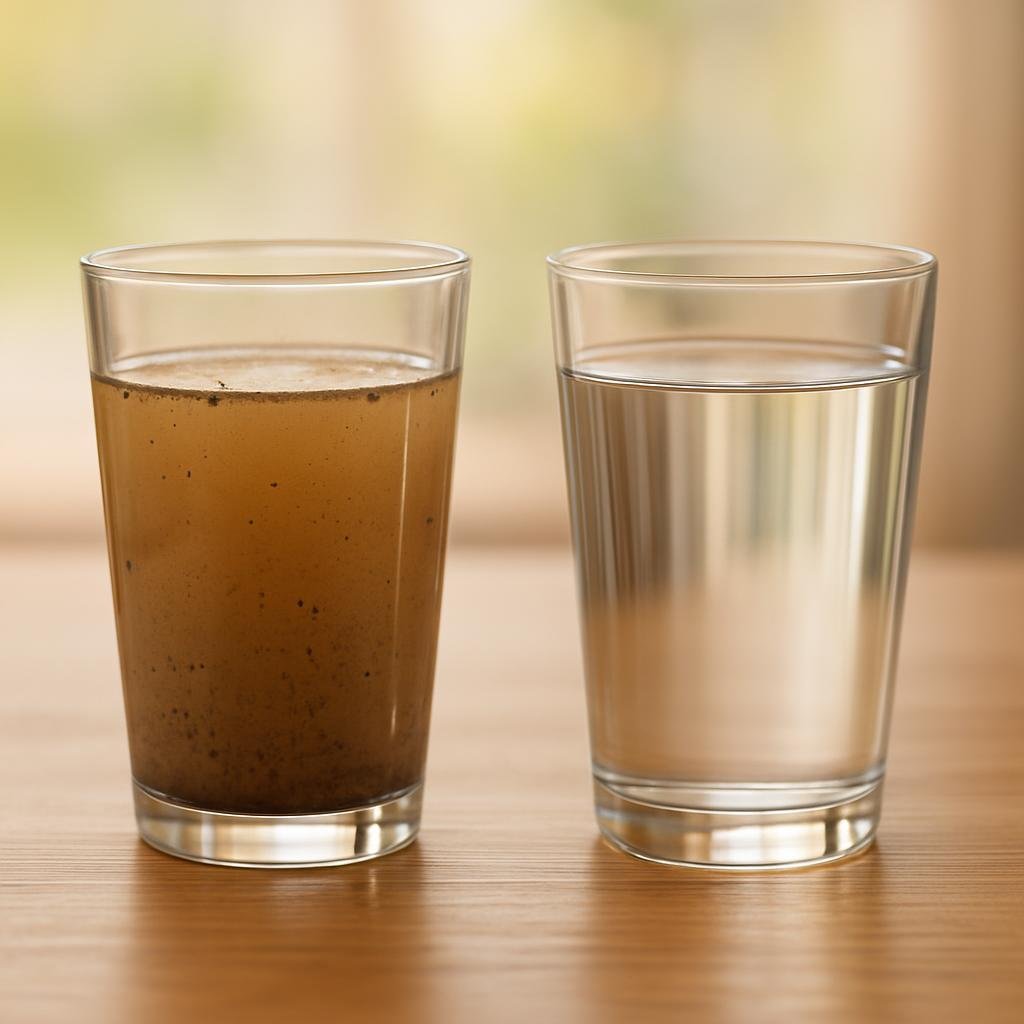
This distinction is crucial. Whether for a home, farm, shed, tiny house, or commercial property, the quality of rainwater is influenced by several factors, including roof material, gutter conditions, tank integrity, and whether the water is filtered or disinfected before reaching your tap. Effective storage and treatment can turn rainwater into a reliable drinking source, while inadequate systems may yield water suitable only for non-potable purposes.
Factors Affecting Rainwater Safety
Rainwater is naturally clean, but it can become contaminated before reaching your tank. Elements like dust, leaves, bird droppings, insects, and roof debris can wash into the system during rainfall. The risk of contamination increases if the roof or gutters are not in good condition or if the tank is not sealed properly.
For many rural and regional areas, tank water serves as the primary household supply, making drinking rainwater a common practice. The safety of this water depends on the overall system rather than the rain itself. Features such as food-grade tanks, clean catchment areas, effective screening, first flush diversion, and appropriate filtration or UV sterilization enhance safety. If any of these components are lacking, the quality of your drinking water could be compromised.
Common Contaminants in Rainwater
The most prevalent issues arise from contaminants entering the system and remaining unchecked. Organic materials like leaves and animal droppings can introduce bacteria, affecting both taste and odor. Additionally, fine sediment can accumulate over time within the tank. Concerns can also arise from mosquito entry, debris from dead animals in gutters, or cracked lids, all of which can create hygiene issues.
The type of roofing material plays a significant role. Most modern roofs are suitable for harvesting rainwater, but some surfaces may leach harmful substances or accumulate heavy contamination, making them less appropriate for potable use. Old roofs with flaking finishes, deteriorating lead flashing, or nearby industrial fallout may raise red flags.
Bushfire conditions are another reality in Australia. Following events involving smoke, ash, or significant airborne debris, it’s wise to inspect, test, or treat tank water before consumption. This caution also applies after long dry spells, as roofs and gutters tend to accumulate debris that can wash into the system during the first rainfall.
Ensuring Rainwater is Safe for Drinking
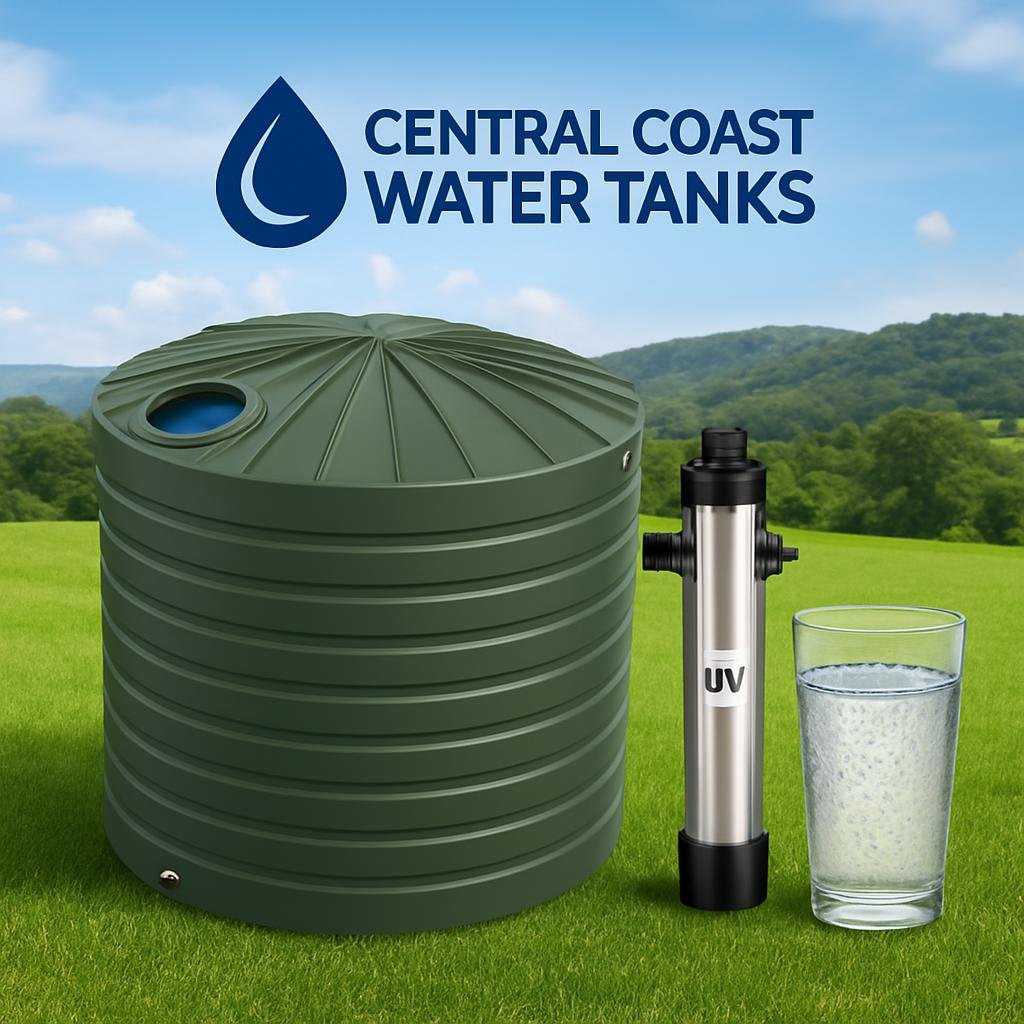
Rainwater is more likely to be safe for consumption when the collection area is clean, the tank is made from certified materials, the system is sealed against pests, and treatment matches the intended use. Many households utilize a combination of sediment filtration and UV sterilization to ensure confidence in the quality of drinking water for kitchens and throughout the home.
If your property relies heavily on tank water, especially for full-time residential use, planning for potable quality from the outset makes sense. This involves selecting food-grade materials compliant with Australian standards and ensuring that the system is appropriately sized and configured for your household’s demands.
This is particularly relevant for families with young children, older residents, or individuals with compromised immune systems. In such cases, a higher standard of treatment and maintenance is a practical safeguard rather than an optional enhancement.
How to Make Rainwater Safer to Drink
The most effective strategy to ensure rainwater safety is to control contamination before it enters the tank and to treat the water as necessary. Start with your roof—keep it free of heavy leaf litter, bird nests, and overhanging branches. Regularly clean gutters and ensure downpipes are in good condition.
Implementing a first flush diverter is a simple yet effective way to direct the dirtiest initial runoff away from the tank, minimizing sediment and organic contamination. Inlet strainers and mosquito-proof screens are also essential, as they prevent debris, insects, and vermin from contaminating stored water.
Inside the system, choose filtration based on the intended use of the water. A basic sediment filter can remove larger particles, but this alone does not guarantee microbiological safety. Carbon filters enhance taste and odor, while UV sterilization is commonly employed to mitigate microbial risks in drinking water. In some cases, a multi-stage treatment setup may be the best solution.
The design of pumps and plumbing also matters. If the water is intended for household consumption, the delivery system must be installed to maintain consistent pressure and support the treatment equipment effectively. Using undersized or mismatched components can hinder performance.
The Importance of Regular Maintenance
Even the best systems require regular maintenance to remain effective. Many water quality issues stem from inadequate upkeep. Property owners often install a solid tank and assume their job is done; however, tank water reliability is directly tied to ongoing maintenance.
Gutters should be cleaned, particularly before the wetter months and after storms. Regularly check screens for damage or blockages. Ensure that first flush devices are emptied and operational. Filters must be replaced according to schedule, not left until someone finds time. UV systems need servicing, and lamp replacements should follow manufacturer guidelines.
Periodic tank inspections are also valuable. Look for signs of sludge buildup, internal contamination, damaged lids, light entry, or access points for pests. If sediment has accumulated significantly over time, tank cleaning may be necessary, especially for older or neglected systems.
If you notice unusual taste, smell, discoloration, or reduced flow through the filtration line, treat these signs as warnings. Water quality issues rarely resolve on their own.
Is Untreated Rainwater Safe to Drink?
In some cases, individuals do consume untreated rainwater from well-maintained systems, particularly in rural settings. However, from a risk management perspective, relying on untreated tank water for drinking is less certain. While a clean roof and sealed tank are beneficial, they do not eliminate microbial risks.
If the water is intended for toilets, laundry, garden use, or livestock washdown, treatment expectations differ. However, for drinking, cooking, and dental hygiene, the standard should be higher. Filtration and UV treatment offer a much stronger assurance of safety, especially when tank water is the sole source.
Special Considerations for Vulnerable Groups
Certain households should be especially cautious when using rainwater as a drinking source. Babies, elderly individuals, pregnant women, and those with weakened immune systems are more susceptible to contaminated water. For households with anyone in these groups, proper treatment becomes even more crucial.
Short-stay accommodations, farm worker housing, offices, and commercial sites should also be managed with care. When multiple people rely on the same water supply, consistent maintenance and a well-fitted treatment setup become essential.
The same principles apply to caravan, RV, and off-grid setups, albeit on a smaller scale. Water collection can be effective, but storage hygiene and treatment still require attention. Smaller systems can deteriorate more quickly if not cleaned properly or if they sit in warm conditions.
Getting It Right from the Start
If you’re building a new rainwater system or upgrading an existing one, it’s beneficial to think beyond just tank size. The optimal solution typically involves aligning storage, pump pressure, household demand, and water treatment into a cohesive system. This is where professional advice can save time and prevent costly rework.
A reliable drinking water system should be designed around your specific use case. A home relying on tank water full-time requires a different approach than a shed collecting water for washdown, and both differ from farm or commercial installations. There is no one-size-fits-all solution, which is why practical guidance is invaluable.
At Central Coast Water Tanks, we work closely with property owners to offer a comprehensive approach—encompassing storage, pumping, filtration, and local support—because safe water relies on the seamless operation of all components.
Conclusion
If you’re wondering whether your rainwater is safe to drink, start by examining the condition of the entire system, not just the tank. Clean collection methods, quality components, and regular maintenance are essential. When drinking water is the goal, proper filtration and disinfection are a wise investment.
is rain water safe to drink