

The Importance of a Reliable Water Supply
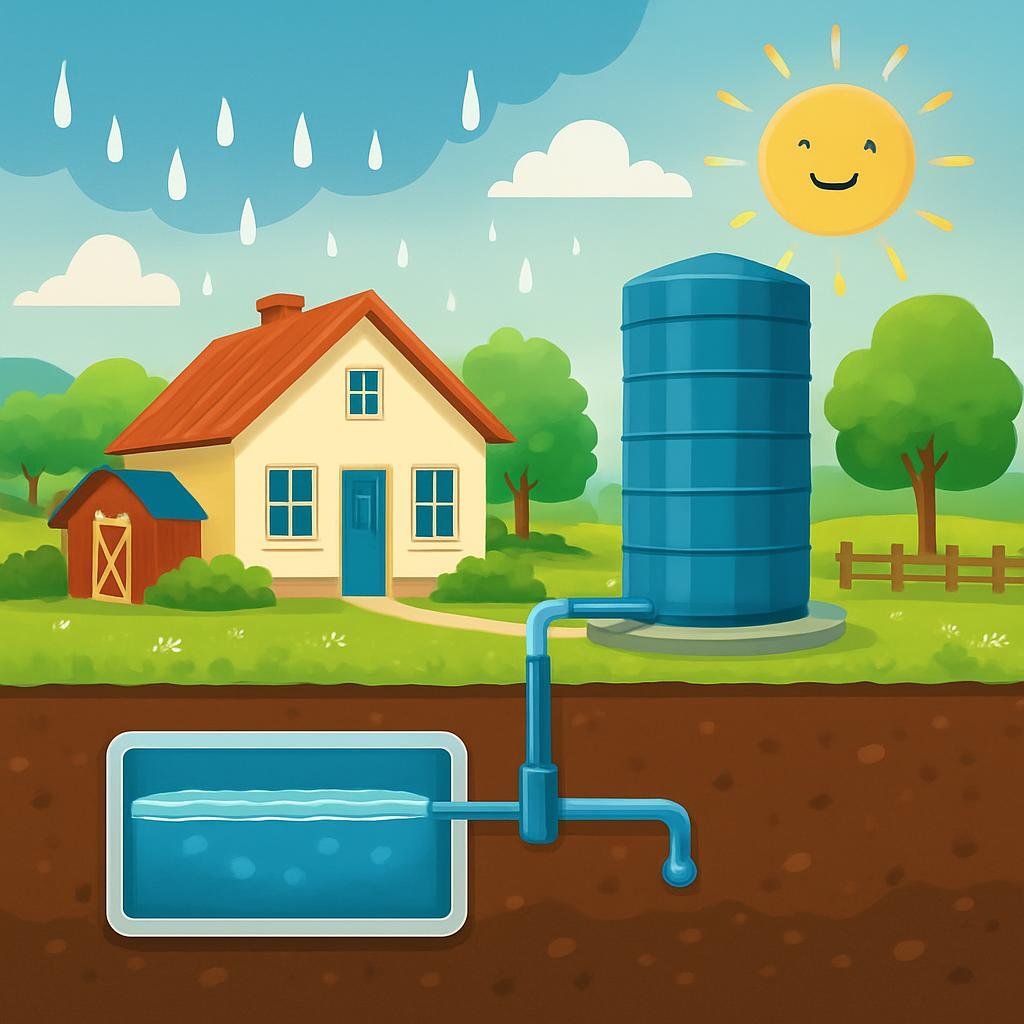
In times of drought, the effectiveness of your water setup becomes more critical than ever. Rainwater harvesting for rural properties is not merely about placing a tank next to a shed; it’s about creating a dependable water supply that aligns with your roof area, rainfall patterns, storage needs, pump specifications, and water quality expectations.
For acreage owners, farmers, and regional households, meticulous planning is essential. A water system that’s too small can leave you short during dry spells, while an oversized system can waste resources without enhancing performance. The right setup provides a reliable supply for household use, livestock, gardens, washdown, irrigation, and overall farm operations, while also being easy to maintain.
Why Rainwater Harvesting Matters for Rural Properties
Many rural areas lack access to town water, and even where it exists, relying on a single source can be costly. For numerous rural properties, harvested rainwater is the primary water source for homes, with additional demands from paddocks, machinery cleaning, livestock troughs, and outbuildings.
Rainwater harvesting shifts the focus from convenience to essential infrastructure. Your tank, pump, and filtration system are not optional—they are integral to your daily operations.
With adequate storage, you gain more control over your water supply, reducing dependence on carted water and managing seasonal variability more effectively. In Australia, where rainfall can fluctuate dramatically, capturing water when available is a sound property management strategy.
Start with Water Demand, Not Just Tank Size
One frequent mistake is selecting a tank based solely on available space or rough estimates. Instead, start with your actual water demand.
For instance, a household relying on rainwater for drinking, bathing, laundry, and toilets will require a very different capacity than a weekend getaway that only needs water for a garden tank. Adding livestock, workshops, or irrigation can quickly increase demand. Factors such as the number of occupants, seasonal usage, and stock numbers all influence the size of the system you require.
Next, consider your roof catchment area. Large shed roofs can collect significant volumes of water, while smaller house roofs may not suffice for heavy demand. On rural properties, it often makes sense to harvest from multiple structures—like the house, machinery shed, and carport—and funnel that water into shared storage.
Hence, there is no one-size-fits-all tank capacity. It ultimately depends on local rainfall, catchment area, and how long you want your stored water to last.
The Impact of Tank Material and Placement
Choosing the right tank goes beyond volume; material, site conditions, and accessibility all play vital roles in long-term performance.
Poly water tanks are popular for many rural properties due to their durability, cost-effectiveness, and availability in various sizes. They are generally easier to transport and position, especially in areas with difficult access. Steel tanks Aquaplate options are also robust choices, particularly when larger volumes or specific site preferences are needed.
Placement is equally important. A suitable site should have a stable base, clear access for installation and maintenance, and practical alignment with downpipes and existing infrastructure. An awkwardly positioned tank can complicate servicing and increase water loss.
For larger properties, multiple tanks situated near points of use might improve pressure management and simplify water distribution. The layout of your property and specific water needs will dictate the best approach.
Essential Components: Gutters, Screens, and First Flush
Many water quality issues arise before rainwater even reaches the tank. Leaves, dust, and roof debris can contaminate your system if the collection side is not well managed.
Regular gutter maintenance is crucial. Clean gutters and sound downpipes enhance water yield and minimize contamination. Leaf screens and inlet strainers help filter out larger debris, while a first-flush diverter can redirect the dirtiest initial runoff away from the tank after dry periods.
This is especially important on rural properties where roof surfaces might be exposed to windblown dust, nearby trees, and agricultural activities. A tank full of water is only valuable if the quality meets your intended use.
Pumps and Pressure: Matching the Right Equipment
While a tank stores water, a pump makes it usable.
For rural households, selecting the right pump involves considering the number of outlets, expected pressure, pipe length, and peak demand. If feeding a home, a simple transfer pump may not suffice; you might need a pressure system capable of handling multiple taps and appliances simultaneously.
For livestock supply, irrigation, or outbuilding use, the design requirements shift. Factors like longer pipe runs, elevation changes, and intermittent high demand all influence pump performance. Undersized pumps often lead to frustration, while oversized pumps can waste energy and cycle poorly if not matched correctly.
Proper advice is invaluable here. A comprehensive tank, pump, and filtration package should be viewed as a cohesive system rather than separate purchases.
Filtration Based on Usage
Not all harvested rainwater requires the same level of treatment. Water intended for stock, washdown, or garden use may need minimal filtration compared to water used inside the home.
For household applications, filtration becomes crucial. Sediment filters remove particles, carbon filters enhance taste and odor, and UV sterilization is essential for microbiological treatment. The specific setup should align with source conditions, intended use, and whether the system supplies drinking water throughout the property.
Advanced filtration systems are ineffective if tank hygiene is neglected, highlighting the importance of maintaining a clean collection, sound storage, and regular upkeep.
Maintenance: Protecting Your Investment
Even the best-designed systems require ongoing attention. Rural properties can be hard on infrastructure, and your water system is no exception.
Regular tank inspections should check inlets, overflows, lids, strainers, and overall structural condition. Clear gutters, clean screens, and monitor pumps for pressure issues or unusual cycling. If using filtration, ensure cartridges and UV components receive scheduled servicing.
Tank cleaning intervals vary. Some properties may only need routine checks, while others require more frequent cleaning due to heavy debris loads or dust exposure. The key is to avoid waiting until water quality declines or equipment fails.
Planning for Future Growth and Drought Resilience
Many rural owners install rainwater systems based on current needs, only to find their requirements change over time. New sheds, increased stock numbers, or expanded irrigation can put pressure on the original setup.
Future planning should be integrated into the initial design. Allowing for extra tank capacity, pump upgrades, or additional connection points—even if not all installed immediately—can be more cost-effective than replacing undersized infrastructure later.
Also, consider drought resilience honestly. While rainwater harvesting enhances self-sufficiency, no system can create water during prolonged dry spells. In low-rainfall areas or properties with high demands, it may be necessary to supplement harvested rainwater with bore water or alternative storage solutions. Quality advice should reflect this reality.
Getting Your Rainwater Harvesting System Right
Successful rainwater harvesting for rural properties requires a system tailored to your specific site, usage, and local conditions. This means considering more than just tank size; you must evaluate catchment areas, storage capacity, pressure, filtration, maintenance access, and the quality of water required.
For many property owners, partnering with an experienced supplier like Central Coast Water Tanks offers invaluable guidance on tanks, pumps, filtration, accessories, and ongoing support. This coordinated approach minimizes guesswork and helps avoid the costly habit of addressing one weak point at a time.
If your current setup is struggling or if you’re planning a new build or rural upgrade, it’s time to assess how your entire system performs under real conditions. A reliable water supply is one of the best investments you can make for your rural property, providing peace of mind long after the next rain event.
Rainwater Harvesting for Rural Properties