

Creating an effective rainwater harvesting system is crucial for homeowners, farmers, and businesses of Australia. Many common issues arise from inadequate sizing, mismatched pumps, or neglecting filtration systems. To ensure reliable water access for your home, farm, workshop, or commercial site, the design must be tailored to your roof area, rainfall patterns, daily usage, and water quality requirements.
Importance of Rainwater Harvesting in the Central Coast
In the Central Coast of Australia, rainfall can be inconsistent throughout the year. Two properties in close proximity may experience significantly different catchment conditions, storage needs, and maintenance requirements. A system designed for a weekend retreat may not suffice for a full-time residence, and a basic stockwater setup may require proper treatment to ensure it’s safe for potable use.
Key Components of an Effective Rainwater Harvesting System
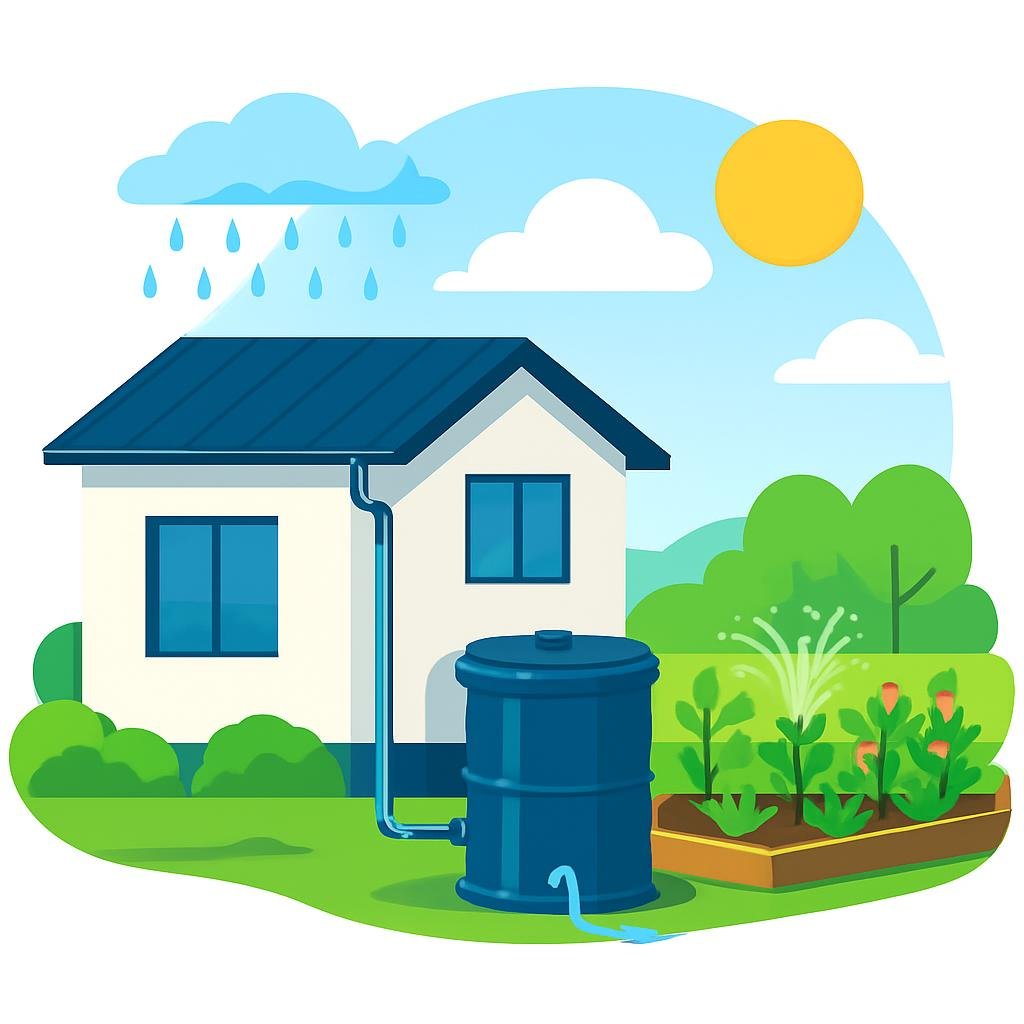
A well-designed rainwater harvesting system serves four primary functions:
- Collecting water from the roof.
- Transporting it efficiently to storage.
- Delivering it at the necessary pressure.
- Maintaining water quality during storage and usage.
These considerations extend beyond just tank size; they include gutters, downpipes, leaf management systems, first flush devices, tank materials, outlet configurations, pump selection, filtration, and overflow control.
Navigating Trade-offs in System Design
The trade-offs in rainwater harvesting systems start early in the planning stage. While a larger tank offers more security during dry spells, it requires more space and a higher budget. Conversely, a smaller tank might suffice for seasonal use, but if rainwater is your main water source, undersizing can lead to higher costs later on. Retrofitting additional storage, modifying pipework, or replacing an inadequate pump is rarely cost-effective.
Start with Water Demand, Not Tank Size
A common mistake in designing a rainwater harvesting system is selecting a tank before assessing water demand. A more effective approach is to estimate your water needs first and then evaluate what your roof can realistically collect.
For households, water demand is influenced by factors such as occupancy, fixture efficiency, garden irrigation, and whether rainwater supplies the entire house or just toilets, laundry, and outdoor taps. For rural properties, consider additional factors like troughs, washdowns, sheds, or livestock needs. In commercial settings, water demand can fluctuate significantly based on staff numbers and peak usage periods.
Calculating Catchment and Collection Efficiency
The roof area serves as the collection engine of your rainwater harvesting system. Generally, a larger roof captures more rainwater, but not every square meter performs equally. Factors like roof pitch, material choice, gutter layout, and debris load all impact efficiency. Metal roofs typically provide reliable collection, while older or complex roof designs can introduce losses and maintenance challenges.
It’s essential to recognize that not all rainfall will reach the tank. Some water is lost due to first flush diversion, evaporation, gutter overflow, and minor inefficiencies. This is why a sensible design incorporates a collection factor rather than assuming 100% capture.
In many cases, enhancing catchment efficiency can yield greater benefits than merely increasing storage. Adding extra downpipes, correcting gutter falls, installing leaf screens, and ensuring properly sized pipework can significantly improve performance during heavy rain. If water is bypassing the tank during storms, the issue may stem from conveyance rather than storage.
Selecting the Right Tank Size and Material
Tank sizing should reflect both average usage and your risk tolerance. If your property can switch to mains or another water source when necessary, a leaner design may be acceptable. However, if the tank serves as your primary water supply, you generally need more storage security.
For many locations in the Central Coast, a practical approach is to size tanks based on dry periods rather than average monthly usage. Average figures may appear favorable on paper but can leave you short during extended dry spells, particularly for acreage homes, farms, and small businesses where water interruptions can create significant operational challenges.
Tank material also influences your design decisions. Poly tanks are a popular option for many residential and rural applications due to their cost-effectiveness, durability, and variety of capacities. Steel and Aquaplate tanks may be more suitable for larger storage needs or specific site layouts, depending on your preferences regarding footprint and aesthetics.
Importance of Proper Pump and Pressure Design
A full tank of water is only part of the solution. If the pump is not appropriately matched to the site, the system can be noisy, inconsistent, or frustrating to operate. Effective pump selection considers flow rate, pressure, pipe runs, elevation changes, and the number of simultaneous outlets in use.
For household applications, stable pressure is essential for showers, toilets, taps, and appliances. For irrigation or washdown tasks, the requirements may differ significantly. Long pipe runs to sheds or troughs can lead to unexpected pressure losses, so a pump that appears suitable on paper may struggle once installed.
This highlights the importance of comprehensive system design from the outset. The tank, pump, and plumbing need to be considered together. If you’re planning on filtration or UV treatment for potable water, this will also impact pressure and flow, as treatment equipment introduces additional resistance that should be accounted for.
Filtration and Water Quality Considerations
Rainwater quality begins at the roof and is safeguarded throughout the entire system. Clean gutters, effective leaf screening, mosquito-proof inlets, and suitable first flush devices help minimize contamination before water enters storage. Once inside the tank, proper sealing, overflow screening, and smart draw-off arrangements maintain water quality.
If the water is intended for household use, filtration should be customized based on the specific application. Basic sediment filtration might be sufficient for some non-potable uses, while whole-house supply often requires a comprehensive approach, including finer filtration and UV sterilization for drinking water. The optimal setup depends on source quality, intended use, and maintenance commitment.
There is no universal filter combination that suits every property. Heavily treed sites, coastal environments, and older roofs may impose higher demands on the system. A design that appears economical initially can become high-maintenance if the filtration system is inadequate for local conditions.
Designing an Efficient Rainwater Harvesting System