

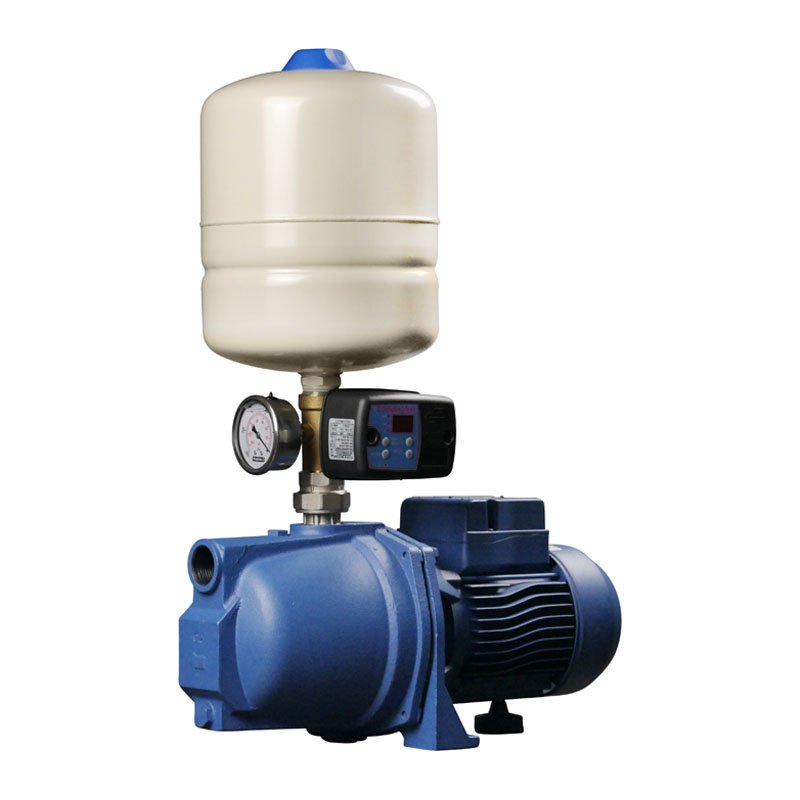
Knowing how to maintain a pressure pump can help protect your household, farm or commercial water supply from unexpected breakdowns. Regular pressure pump maintenance can also improve water pressure, reduce electricity use and extend the operating life of the pump.
A pressure pump is the working link between the water stored in a rainwater tank and the taps, toilets, troughs, irrigation systems and wash-down points around a property. When the pump is operating correctly, it should start when water is being used and stop once the required pressure has been reached.
If a pressure pump starts every few minutes when no tap is running, it may be an early warning of a leak, a pressure vessel problem, a blocked filter or a faulty non-return valve. These issues should be investigated before they place additional strain on the pump motor and pressure controller.
Check Your Pressure Pump for Leaks
One of the most important pressure pump maintenance checks is looking for water leaks around the pump, pressure vessel, pipework, filters and fittings.
Even a small leak can cause the pressure to drop and make the pump start when no water is being used. A leak on the suction side of the pump can also allow air into the pipework, causing poor flow, difficulty priming or repeated loss of prime.
Check for dripping unions, cracked pipework, damp fittings and water collecting beneath the pump. It is also worth checking toilets, taps, irrigation valves and underground water lines if the pump is cycling when the property is not using water.
Before inspecting or maintaining the pump, switch off the power at the isolator or circuit breaker and release the pressure from the water line.
Listen for Unusual Pump Noise
A correctly operating pressure pump should produce a steady and consistent sound.
Rattling, grinding, repeated clicking, excessive vibration or a high-pitched noise may indicate a restricted water supply, air entering the suction pipe, debris inside the pump, loose mounting or worn internal components.
A sudden change in pump noise should not be ignored, especially if the water pressure or flow at the taps has also reduced.
The pump should be mounted securely on a firm base, and the pipework should be properly supported so that its weight is not pulling on the pump connections.
Watch for Frequent Pump Cycling
Short cycling occurs when a pressure pump repeatedly starts and stops within a short period.
This may be caused by a leak, low air pressure in the pressure vessel, a damaged vessel bladder, a blocked filter, incorrect pressure settings or a faulty non-return valve.
Frequent pump cycling places unnecessary strain on the motor, pressure switch and electronic controller. It can also increase electricity use and shorten the operating life of the pressure pump.
A pump that starts regularly when no water is being used should be checked promptly. Ignoring short cycling can allow a relatively small problem to become a more expensive pump repair or replacement.
Keep the Tank Outlet and Pump Inlet Clear
A rainwater tank pressure pump cannot operate properly if water cannot reach it freely.
Make sure the rainwater tank outlet valve is fully open and that there is enough water above the outlet. Low tank levels, sediment or a blocked inlet strainer can restrict the water supply and cause the pump to lose pressure or run dry.
The tank lid, inlet screen, leaf strainer and overflow should also be kept in good condition. Preventing leaves, dirt and insects from entering the tank reduces the amount of debris reaching the pump and filtration system.
The pump inlet strainer or pre-filter should be inspected and cleaned according to the manufacturer’s instructions. Always switch off the power and isolate the water supply before opening a strainer or filter housing.
Check Water Filters Regularly
Blocked water filters can reduce pressure and cause a pump to run longer than necessary.
A filter installed before the pump can restrict the supply of water reaching the pump. A filter installed after the pump can reduce the flow and pressure available at taps, showers and appliances.
Filter cartridges should be checked when there is a noticeable change in pressure, water flow, taste, colour or odour. The correct replacement cartridge will depend on the filter housing, water quality and required flow rate.
For drinking water systems, use filter cartridges and fittings that are suitable for potable water.
Maintain the Pressure Vessel
Many pressure pump systems use a pressure vessel to reduce pump starts and provide smoother water pressure.
Over time, the air charge inside the pressure vessel can reduce. The internal bladder may also become damaged.
To check the vessel, turn off the pump, open a tap and fully release the water pressure. The vessel should be empty of water pressure before the air charge is tested with a tyre pressure gauge.
The correct pressure vessel air charge depends on the pump cut-in pressure and the manufacturer’s specifications. It is generally set slightly below the pump cut-in pressure, but the correct setting should always be confirmed.
If water comes out of the vessel’s air valve, the internal bladder has likely failed and the pressure vessel may need to be replaced.
Protect the Pump From Running Dry
Running dry can quickly damage a pressure pump.
Without water moving through the pump, seals and internal components can overheat. This is especially important during extended dry weather when rainwater tank levels may fall quickly.
If the pump loses prime, do not repeatedly restart it without finding the cause. Check the tank water level, outlet valve, suction pipe, inlet strainer, foot valve and non-return valve.
Once the problem has been corrected, reprime the pressure pump according to the manufacturer’s instructions.
A pump that regularly loses prime may have an air leak or a faulty valve that requires professional attention.
Protect Outdoor Pressure Pumps
Outdoor pressure pumps should be protected from direct rain, harsh sunlight, leaves and dirt.
A suitable pump cover can reduce weather exposure, but it must still provide enough ventilation for heat to escape. The pump should not be completely enclosed.
Check power leads, plugs and weatherproof electrical enclosures for signs of cracking, corrosion or moisture. Electrical repairs and pressure controller faults should be handled by a licensed electrician or qualified pump technician.
When to Arrange Professional Pump Repairs
Professional assistance may be required when a pressure pump trips the circuit breaker, runs continuously without building pressure, repeatedly loses prime, leaks from the motor area or produces a burning smell.
It is also wise to seek advice before installing a larger pump or increasing the pressure setting. More pressure is not always better. The selected pump must suit the rainwater tank, pipework, filtration system, water source and intended use.
Central Coast Water Tanks can assist with practical advice on pressure pumps, rainwater tanks, filtration systems and suitable replacement components.
Regular pressure pump maintenance can help prevent leaks, short cycling, blocked filters and unexpected water supply problems. A few simple checks each month can improve reliability and help keep your rainwater tank pump operating efficiently for years to come.