

A bore that produces clean water can transform a property, but only when the pump is matched to the bore and the job at hand. The wrong bore pumps can leave a home with weak showers, an irrigation line that barely reaches the last trough, or a motor that cycles constantly and wears out early. The right setup delivers dependable water where it is needed, whether that is a house, stock yard, garden, tank or paddock.
For acreage owners, farmers and rural households, a bore pump is rarely a stand-alone purchase. It is part of a wider water system that may include a storage tank, pressure controller, filtration, pipework and irrigation equipment. Getting the basics right before buying saves money and avoids expensive changes after installation.
What bore pumps are designed to do
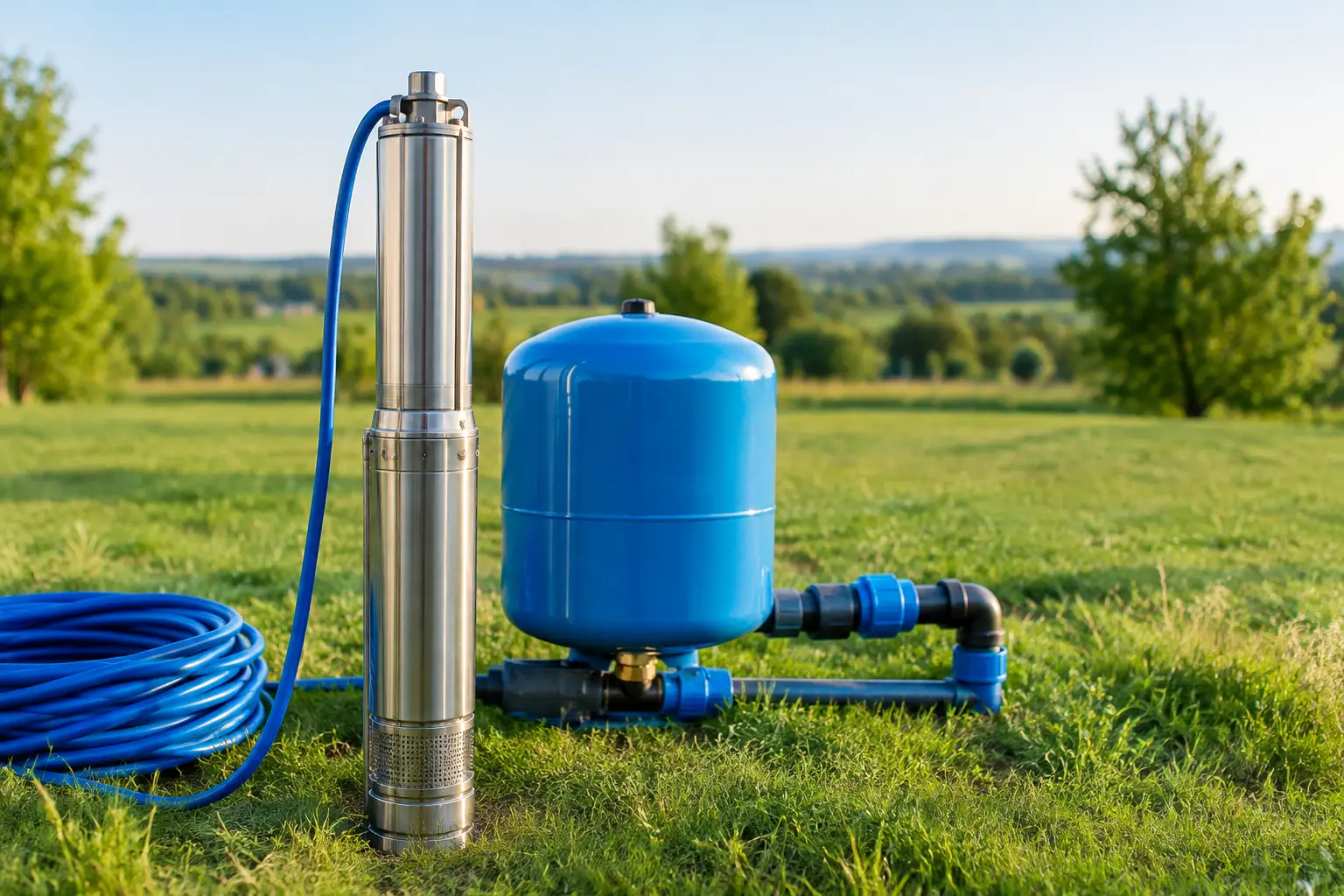
A bore pump lifts groundwater from below ground level and moves it to where you need it. Most modern bore installations use a submersible pump, which sits down inside the bore beneath the water level. These pumps are purpose-built for deep, narrow bores and are generally the practical choice where the water level is beyond the reach of a surface pump.
A surface-mounted jet pump may suit a shallow bore or well, but it has limits. As a guide, suction lift becomes difficult once water is more than about seven metres below the pump. A submersible unit avoids that suction limitation because it pushes water upwards rather than trying to pull it from the surface.
The first decision is not simply how powerful the pump should be. It is whether the bore can sustainably provide the amount of water you plan to draw. A pump cannot create water that the aquifer does not supply.
Start with the bore, not the pump
Your bore driller’s records are the best place to start. They should show the total bore depth, the static water level when no pumping is occurring, the pumping water level, bore casing diameter and tested yield. If the bore is older and those details are unavailable, arranging an assessment before selecting equipment is a sensible investment.
The tested yield is particularly important. It tells you how much water the bore can produce over time, often measured in litres per minute or litres per hour. A pump with a greater flow rate than the bore yield may pull the water level down too quickly. That can trigger dry-running, bring in sand or sediment, and shorten pump life.
Seasonal conditions matter too. Some bores perform well after rain yet recover more slowly during a long dry spell. For properties relying on groundwater through summer, it is usually wiser to size the system around a conservative, sustainable yield rather than the best result recorded on a good day.
Match flow and pressure to the job
Two pump figures matter most: flow and head. Flow is the volume of water the pump can move. Head is the pressure capacity expressed as metres of lift. Both need to work together.
A home supplied directly from a bore needs enough flow and pressure for everyday demand. That might include showers, toilets, washing machines and outdoor taps operating close together. A small household may not require huge volume, but it does need steady pressure. A pressure tank or electronic pressure controller can manage this by starting the pump as water is used.
Irrigation and livestock systems are different. Drip irrigation works at lower flow and pressure than sprinklers, while a long run to troughs can add substantial friction loss. A pump that looks suitable on paper may underperform once water travels hundreds of metres through undersized pipe.
To select accurately, calculate the total dynamic head. This combines the vertical lift from the pumping water level to the outlet, the pressure required at the outlet, and friction losses through pipe, fittings, filters and valves. As a simple reference, 10 metres of head is roughly equal to 100 kPa of pressure. Your pump must achieve the required flow at that total head, not merely at its maximum advertised flow.
Always read the pump curve. Maximum flow is measured with very little resistance, while maximum head is measured with no flow. Your working point sits somewhere between the two. This is where experienced advice can prevent a costly mismatch.
Direct supply or pump to a storage tank?
For many rural properties, pumping bore water into a tank is the most forgiving arrangement. The bore pump can run at a controlled rate that suits the bore yield, while a separate pressure pump supplies the home, shed, garden or stock water from storage. The tank acts as a buffer between variable groundwater supply and peak water demand.
This approach has clear advantages where a bore recovers slowly, where several outlets may run at once, or where the property needs a reserve for dry periods. It can also make it easier to integrate rainwater collection with bore water, depending on the intended use and local requirements.
Direct pressure systems can be suitable when bore yield is reliable and demand is modest. They use fewer components, but the bore pump must respond every time a tap opens. Frequent short cycling is hard on motors, especially where small leaks or low-flow fixtures cause repeated starts.
Choose the right protection and controls
A quality bore pump deserves protection. Dry-run protection is one of the most valuable additions, particularly on bores with variable yield. Depending on the system, it may use low-current sensing, pressure sensing, flow sensing or water-level probes to stop the motor if water supply falls away.
A pressure controller suits direct household supply, while float switches are commonly used when filling a tank. For larger irrigation or farm systems, a control panel can provide motor protection, automatic restarting and alarms. The best option depends on whether the pump is feeding pressure lines, storage, stock troughs or all three.
Other worthwhile considerations include:
- Correctly sized electrical cable for the bore depth and motor load, as voltage drop can damage a motor.
- A non-return valve to hold the rising main full and maintain pressure where required.
- Surge protection and suitable electrical protection, especially in storm-prone rural areas.
- A pressure vessel where needed to reduce pump starts and provide smoother household pressure.
Electrical work and bore pump installation should be completed by appropriately licensed professionals. A pump may be physically simple to lower into a bore, but cable joins, safety ropes, pipe ratings and electrical protection all need to be right.
Water quality can change the pump choice
Groundwater is not always clear, clean or ready for household use. Fine sand can wear impellers and clog filters. Iron, manganese, hardness, salinity and sulphur odours can affect plumbing, appliances, stock use and irrigation. A water test gives you facts before you commit to a treatment system.
Where sand is present, the bore may need development or the pump may need to be positioned higher above the bore base. Some pump designs cope better with small amounts of solids than others, but no domestic bore pump benefits from continually pumping abrasive grit.
For drinking water, filtration should be selected after testing rather than guessed. Sediment cartridges may protect fixtures and improve clarity, while carbon filtration, UV treatment or specialised media may be required for particular water issues. If bore water is only for irrigation or livestock, the treatment priorities may be very different.
Think about power, servicing and access
Most domestic bore pumps operate on single-phase power, while higher-duty farm and irrigation pumps may require three-phase power. Solar pumping is also a strong option for remote troughs and off-grid applications, particularly where running mains power across paddocks would be expensive. Solar systems need to be designed around daily water demand, storage capacity and the available sunlight, not just pump size.
Before installation, consider how the pump will be removed for servicing. A deep submersible pump is supported by rising main pipe, electrical cable and often a safety rope. Well-organised pipework, accessible isolation valves and clear control equipment make future maintenance far easier.
Pump life depends on the installation as much as the brand. Correct sizing, clean power, dry-run protection, suitable pipework and a bore that is not overdrawn all help a quality pump deliver years of dependable service.
Buy a complete water solution with confidence
The best bore system is the one that suits your property’s water source and daily demand, not the unit with the biggest number on the box. Gather your bore depth, water level, tested yield, pipe distance, outlet pressure needs and power supply before comparing options. If you are filling a tank, include the tank size and how often it needs to refill.
Central Coast Water Tanks has been trusted for over 30 years to help customers build practical water systems from coast to country. Choose quality products that work together, protect the pump from the start and leave room for the way your property may grow. A carefully planned bore supply turns underground water into a reliable everyday asset.