


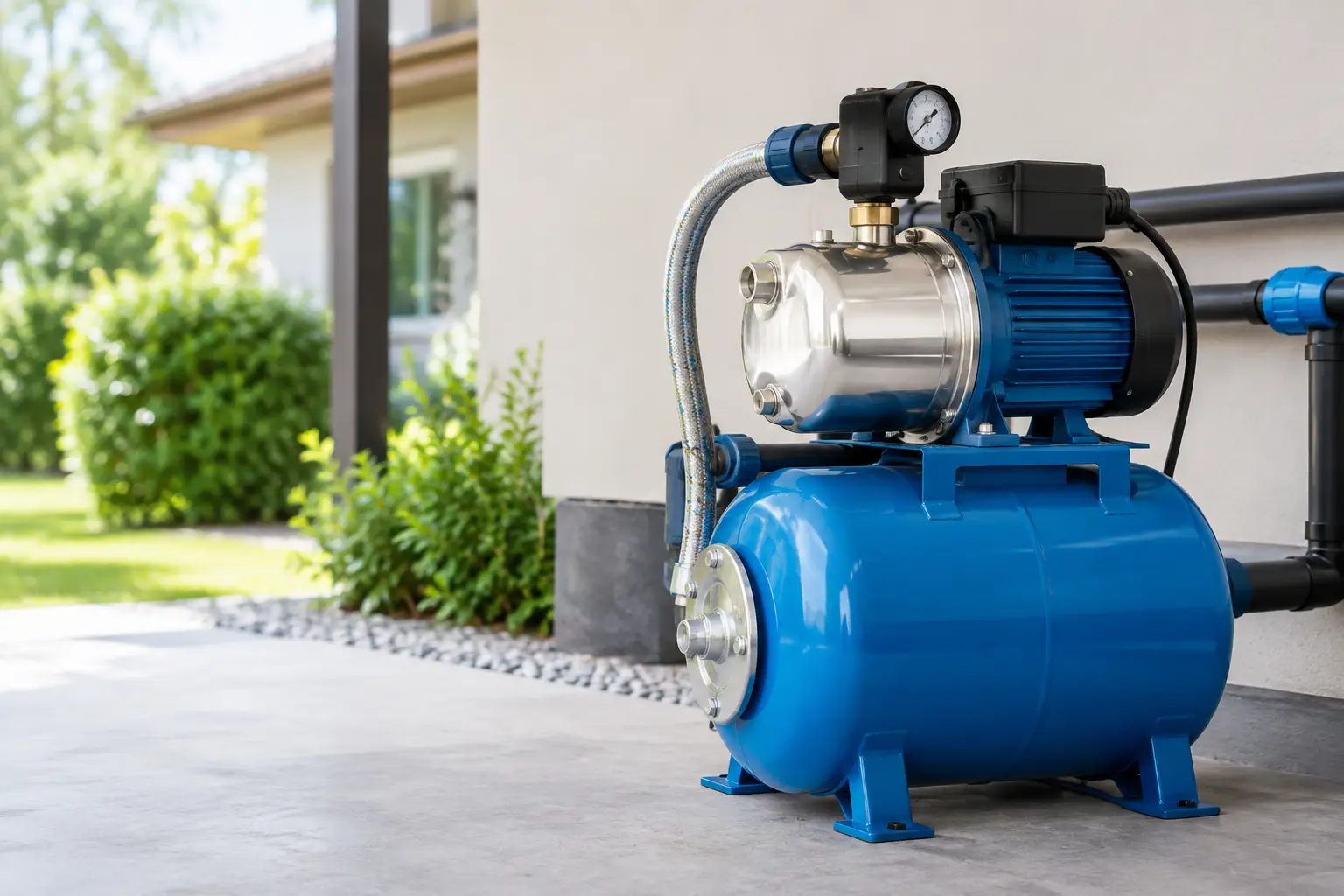
A rainwater tank can hold thousands of litres, but without the right pump it is little more than stored water. Domestic pressure pumps turn that supply into usable water at the kitchen tap, in the shower, through the washing machine and out to the garden. For homes on town water, acreage blocks and rural properties alike, the right pump makes the difference between steady pressure and frustrating stop-start flow.
The best choice is not always the biggest motor or the highest pressure number on the box. Your household demand, pipework, tank location, water source and the protection built into the pump all matter. Getting those details right at the start helps avoid wasted power, noisy operation and a pump that struggles when two taps are running.
What domestic pressure pumps actually do
A domestic pressure pump draws water from a rainwater tank, dam supply, bore or other approved water source and delivers it under pressure to where it is needed. Most household pumps are automatic. They sense a pressure drop when a tap, toilet, washing machine or irrigation outlet opens, start the motor, then stop once demand ends.
For a typical house, the aim is consistent water at normal household outlets, rather than maximum pressure at all costs. A pump that is too small may leave the shower weak when the washing machine fills. A pump that is oversized can cycle excessively on low flows, use more energy and place unnecessary strain on fittings and appliances.
A good domestic setup also needs to handle real Australian conditions. That can mean a hot summer garden schedule, fine sediment in tank water, an exposed pump near a shed, or a rural home relying entirely on harvested rainwater. Quality products from established brands are worth considering because replacement parts, service support and proven long-term performance matter after installation day.
How to size a domestic pressure pump
Pump sizing starts with two figures: flow rate and pressure. Flow is commonly shown in litres per minute or litres per hour. Pressure may be listed in kilopascals, bar or metres of head. The numbers only make sense when considered together, because a pump’s available flow falls as it works harder to push water uphill or through long pipe runs.
Start with the outlets used at the same time
Think about normal peak use, not every outlet on the property running together. A family home may have a shower operating while someone uses a kitchen tap and a toilet cistern refills. A larger home with several bathrooms, frequent guests or a granny flat may need greater flow to maintain comfortable pressure across simultaneous demand.
Garden watering can change the calculation. If the pump is expected to run household plumbing and a sprinkler at the same time, allow for that extra demand. Where possible, separate high-volume irrigation from household supply. This gives better pressure indoors and prevents a domestic pump from being asked to do a farm or irrigation pump’s job.
Allow for height, distance and pipe size
Water loses pressure as it travels uphill, through narrow pipe and around fittings. A pump installed beside a tank and feeding a single-storey home nearby has an easier job than one pumping from a lower paddock tank up to a two-storey house.
Measure the vertical rise from the water level in the tank to the highest outlet, then consider the length of pipework. Long runs and undersized pipes reduce the pressure available at the tap. This is particularly relevant on acreage properties, where a tank may sit well away from the house. Increasing pipe diameter on a long supply line can improve performance more effectively than simply selecting a larger pump.
Check the pump curve, not just the headline number
A pump may advertise an impressive maximum flow or maximum head, but those figures occur at opposite ends of its performance range. The useful question is how much water it supplies at your required pressure. A pump performance curve shows this relationship and is the best way to compare suitable models.
If the specifications feel unclear, have your outlet demand, pipe length, vertical lift and intended water source ready before asking for advice. It makes selecting the right unit far more straightforward.
Choosing between common pump styles
Most homes using rainwater tanks are well suited to a pressure system pump, often called a jet pump or surface-mounted automatic pump. It sits outside the tank, draws water through a suction line and supplies the house through a pressure controller or integrated electronic control. These pumps are accessible for servicing and are a practical option when the tank outlet is close to the pump location.
A multistage pressure pump is often a strong choice where better household pressure and quieter operation are priorities. Multiple impellers build pressure efficiently, making these pumps well suited to larger homes, two-storey dwellings and systems with longer pipe runs.
Submersible pumps sit inside the tank and push water rather than drawing it through a suction line. They can be quieter at the house and protect the motor from weather, while freeing up space beside the tank. They are particularly useful where suction conditions are difficult or where a neat, low-noise installation is preferred. Access for future servicing should be considered before choosing this style.
For a basic garden or transfer job, a simpler pump may be enough. But if the same water source supplies toilets, laundry, showers or drinking-water treatment equipment, choose a domestic unit designed for regular automatic household use.
Features that protect your water supply
The control system is as important as the pump motor. Dry-run protection shuts the pump down if the tank runs empty or a supply problem develops. This can prevent serious damage, especially after a long dry spell or when a valve has been left closed.
Automatic restart is useful in some situations, but it needs to suit the property. A pump that repeatedly tries to restart against an empty tank is not helping anyone. Select a control arrangement that provides sensible protection and lets you identify a fault before it becomes an expensive repair.
A pressure tank can reduce frequent starts and stops in systems with small intermittent demands. It is not required on every installation, particularly where an electronic controller is fitted, but it can improve operation in the right application. The trade-off is that it adds another component requiring correct pressure settings and periodic checks.
Also look for practical details: weather-resistant construction, thermal overload protection, a quality mechanical seal and accessible inlet and outlet connections. A pump cover can protect equipment from sun and rain, provided it is ventilated. Never enclose a running motor in a tight box where heat cannot escape.
Installation details that often cause problems
A quality pump cannot make up for poor installation. Keep the suction line as short and direct as practical, use correctly sized pipe and make sure every suction-side connection is airtight. Even a small air leak can cause poor priming, noisy running and loss of pressure.
Fit an appropriate foot valve or check valve where required to keep the suction line primed. A tank outlet screen, first-flush device and suitable filtration arrangement help limit leaves, sediment and debris entering the system. If the home has whole-house filtration, allow for the pressure drop across filters as cartridges become dirty.
Electrical work must be completed correctly, with suitable protection and a compliant weatherproof outlet. Where rainwater is connected to household plumbing, use a licensed plumber and ensure the system meets local requirements. A rain-to-mains switch can provide automatic access to town water when rainwater is unavailable, while keeping the two supplies properly managed.
Before commissioning the system, flush pipework, prime the pump if required, inspect for leaks and confirm the pump stops once all outlets are closed. It is also worth checking pressure at the furthest tap, not just at the pump. That is where you will notice whether the system has been sized and installed properly.
When a tank, pump and filter package makes sense
Buying the parts separately works well for experienced owners with an existing system and clear specifications. For new builds, tank upgrades and first-time rainwater users, a packaged tank, pump and filter solution can remove much of the guesswork. The equipment is selected to work together, and it is easier to budget for the complete water supply rather than discovering extra fittings and filtration needs halfway through the job.
Central Coast Water Tanks has supplied water-storage and pumping solutions coast to country for more than 30 years, with practical package options for homes, sheds, rural properties and renovations. Choosing trusted brands and the right pump category first can save money over the life of the system, not just at checkout.
A domestic pump should be treated as part of the whole water system, not an afterthought beside the tank. Match it to the way your household actually uses water, protect it from dry running and poor-quality supply, and give it pipework that lets it perform. The result is simple: dependable water pressure when you turn on the tap.