


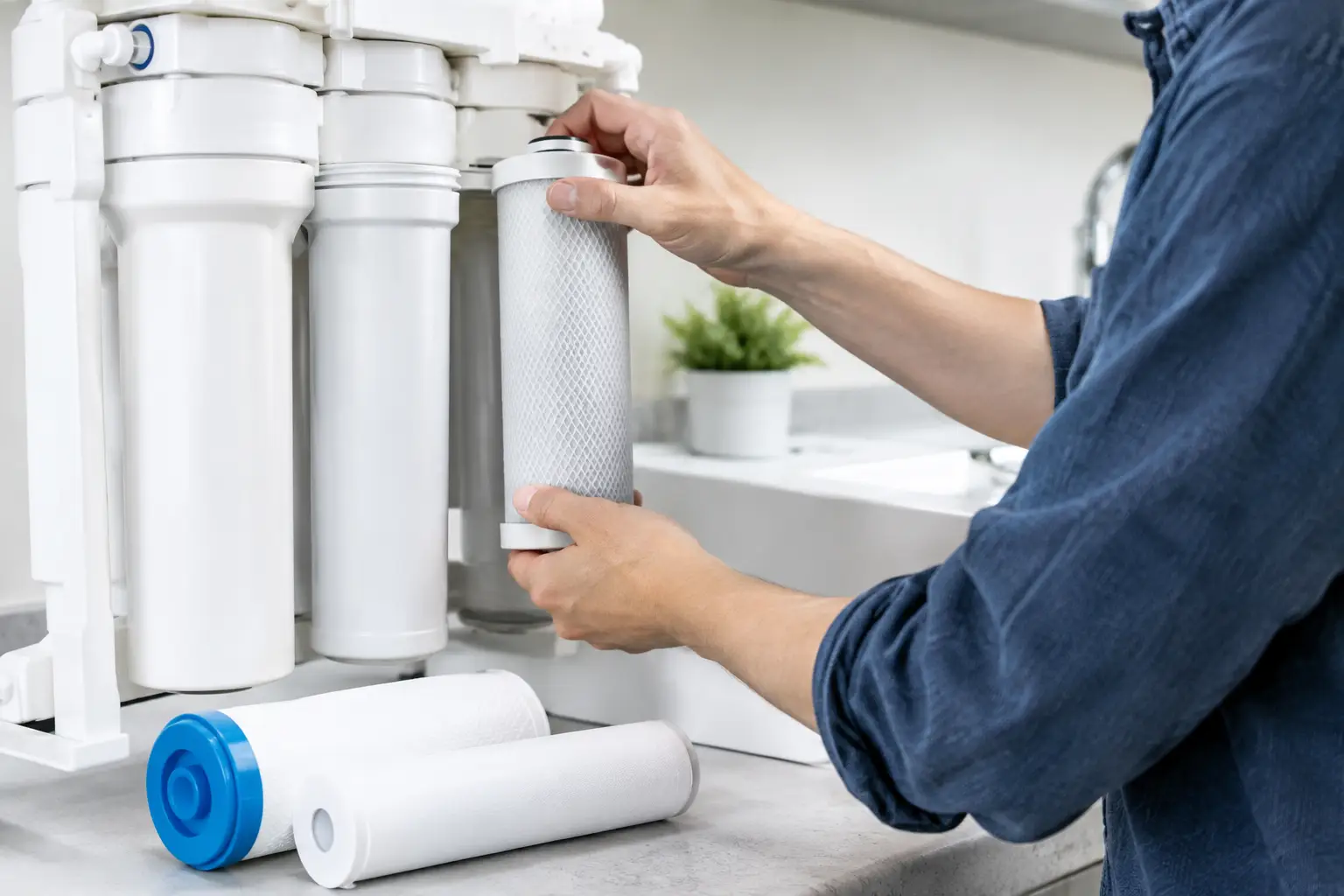
A rainwater filter can look fine from the outside while quietly restricting flow, reducing pressure at the tap and allowing sediment to build up where it should not. Knowing when to replace a filter cartridge is one of the simplest ways to protect your household water supply, pump and connected appliances.
For homes, sheds, farms and rural properties relying on tank water, cartridge changes are routine maintenance, not an optional extra. The right replacement keeps water moving freely and helps your filtration system do the job it was selected to do – whether that is catching tank sediment, improving taste and odour, or protecting a UV unit.
When should you replace a filter cartridge?
The best change interval depends on the cartridge type, the quality of incoming water and how much water the property uses. A family home on rainwater may use a sediment cartridge much faster after a dry spell, storm event or tank clean-out than it does during a settled period. A weekend property with low water use may get longer from the same cartridge.
Start with the cartridge manufacturer’s recommended service interval, then pay attention to what your system is telling you. Reduced water pressure is often the clearest sign. If the pressure was good when the cartridge was new but has gradually fallen away, the filter media may be loaded with fine sediment.
Changes in taste, smell or water appearance can also point to a spent cartridge, particularly with carbon filtration. A cartridge cannot keep absorbing chlorine, organic material and odours forever. If your filter system feeds a UV unit, replacing the pre-filter on time matters even more. Cloudy water can prevent UV treatment from working as effectively as intended.
As a practical rule, do not wait until water barely comes from the taps. A blocked cartridge makes the pump work harder and can leave a household, stock trough or shed without useful flow at the worst time.
Check the cartridge before you order
Not every replacement cartridge suits every housing. The old cartridge is the most useful reference, but measure it rather than guessing. The two key dimensions are length and diameter.
Common household sizes include 10-inch and 20-inch cartridges. They are available in standard slimline housings and larger jumbo housings. A 20-inch jumbo cartridge has more filter media and can be a sensible choice for higher-use homes, larger families and properties with sediment-heavy tank water, provided the housing is designed for it.
Also identify the cartridge’s purpose. A pleated or spun sediment cartridge is designed to catch dirt, rust, grit and tank sediment. A carbon block or granular activated carbon cartridge is usually chosen to improve taste and odour and reduce particular chemicals or organic compounds. Some systems use both, with sediment filtration first and carbon filtration after it.
Micron rating matters too. A lower micron number catches finer particles, but it can clog sooner if the water carries a lot of sediment. For example, a coarser sediment cartridge may be a better first stage for untreated rainwater with visible grit, while a finer cartridge is often used later in a multi-stage system. The right balance depends on water quality, flow needs and the equipment being protected.
If you are replacing a cartridge in a whole-house filter, check whether it is a standard 10-inch, 20-inch, slimline or jumbo model before placing an order. Buying the wrong size is an avoidable delay, especially when the tank is your main water source.
How to replace a filter cartridge safely
Before starting, make sure you have the correct replacement cartridge, the filter housing spanner supplied with the system and a clean bucket or towel. Some water will spill from the housing, so allow a little room to work.
First, switch off the pump or close the water supply valve before the filter. Open a tap downstream of the filter to release pressure. This step makes the housing safer and much easier to undo. If your system has an isolation valve after the filter as well, close it to stop water draining back through the line.
Use the housing spanner to loosen the filter sump. Turn it carefully and support the housing as it comes free, as it may be full of water. Remove the old cartridge and empty the housing into a suitable drain or bucket.
Now inspect the housing bowl, cap and O-ring. Wash the bowl with clean water and a suitable sanitising solution recommended for potable water filter housings if it needs cleaning. Rinse thoroughly. Do not use harsh cleaners or solvents that may damage the plastic housing, seals or water quality.
Check the O-ring for cracks, flattening or stretching. A tired O-ring is a common cause of leaks after a cartridge change. If it is in good condition, wipe it clean and apply a light coating of food-grade silicone lubricant if recommended by the filter manufacturer. Avoid petroleum-based grease.
Seat the new cartridge squarely over the locating spigot in the bottom of the housing. Refit the bowl, making sure the O-ring stays in its groove, then tighten by hand. Use the spanner only for a final gentle nip if required. Over-tightening can damage threads or make the next service unnecessarily difficult.
Turn the water supply back on slowly, then restore power to the pump. Leave a tap open while the housing fills and air clears from the line. Inspect the cap and bowl for drips. If you see a leak, switch off, relieve pressure and check that the O-ring is clean, correctly seated and undamaged.
Carbon cartridges commonly need flushing before normal use. Run water through the filter for the period specified by the cartridge maker, usually until the water runs clear and any carbon fines have disappeared. Never assume all cartridges have identical flushing requirements.
Choosing the right replacement for tank water
Rainwater is generally clean at the source, but a tank system collects whatever arrives from the roof and gutters. Leaves, dust, pollen, bird droppings and fine particles can all affect the load on your filters. Good gutter guards, first-flush diverters and tank strainers reduce that load, but they do not remove the need for cartridge maintenance.
A single sediment cartridge may suit a basic non-drinking water supply where the goal is protecting a pump, toilet valves, washing machine or irrigation equipment. For household drinking water, a staged whole-house system may be more appropriate, with sediment filtration ahead of carbon and UV treatment where required. The right setup depends on your water source, intended use and any water-quality advice you have received.
There is a trade-off between fine filtration and flow. Going straight to a very fine micron rating can lead to frequent changes and a noticeable pressure drop, particularly on tank water after rain. A staged arrangement often gives better service life because the first filter captures larger material before it reaches the finer cartridge.
For rural properties, consider the peak demand on the system. A home, workers’ quarters, troughs or wash-down points may all create high flow requirements. A larger 20-inch or jumbo filter housing can reduce change frequency and restriction, but it must match the pipework, pump capacity and application.
Avoid the common cartridge-change mistakes
The most common mistake is fitting a cartridge that looks close enough. Similar cartridges can differ in length, diameter, end-cap design and filtration media. Always match the housing size and treatment purpose, not just the general appearance.
Another is changing only when pressure becomes unacceptable. By then, the pump may have spent weeks pushing through a heavily loaded filter. Set a reminder based on the expected service interval, then bring it forward if flow drops or water conditions change.
Do not reuse a disposable cartridge after rinsing it out. Pleated washable sediment cartridges are an exception when the manufacturer says they can be cleaned, but spun sediment and carbon cartridges are generally designed for replacement. Washing cannot restore the adsorption capacity of carbon media.
Finally, keep a spare cartridge on hand if your property depends on tank water. Storms, bushfire-season dust and heavy household use do not always arrive at convenient times. Having the correct size ready avoids a rushed search when pressure falls away.
Central Coast Water Tanks has been trusted for over 30 years for practical water-storage and filtration solutions, from coast to country. Choose quality replacement cartridges that match your housing and water needs, service them before flow becomes a problem, and your tank water system will be better prepared for daily demand.