


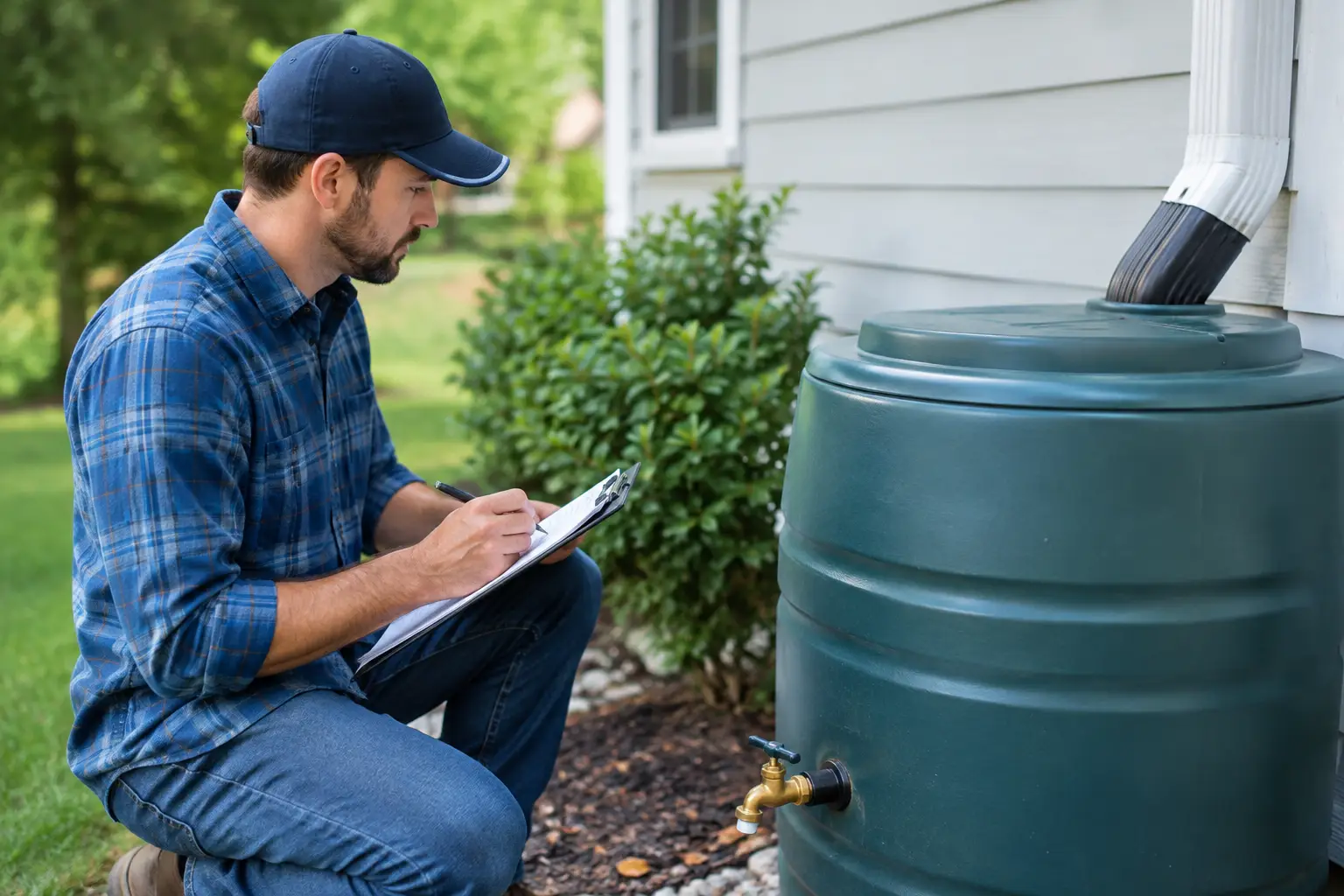
A rainwater tank is only as dependable as the gutters, pump and filters feeding it. This rainwater system maintenance checklist helps Australian homeowners, acreage owners and rural property operators keep stored water cleaner, maintain reliable pressure and spot small faults before they become an expensive dry-tank problem.
The good news is that most maintenance is straightforward. A regular walk-around after heavy rain, plus a few scheduled jobs through the year, will protect the system you have invested in – whether it supplies a garden, livestock troughs, a shed, an off-grid home or the whole house.
Start with safety and a simple maintenance routine
Before checking anything, switch off power to the pump at the isolator if you need to remove covers, clean a pump strainer or inspect electrical connections. Never enter a rainwater tank. Tanks are confined spaces with serious hazards, and internal cleaning or repairs should be handled by a qualified professional.
Keep a note on your mobile or in a shed logbook of filter changes, pump issues, tank cleaning and rainfall-related checks. It makes recurring problems easier to identify. If the pump starts cycling more often, water pressure drops, or the water develops an unusual taste, smell or colour, you will have a clearer record of when the change began.
Your rainwater system maintenance checklist
After heavy rain or strong winds
Storms can quickly fill gutters with leaves, bark and roof grit. Check gutters, valleys, downpipes and leaf guards once it is safe to do so. Clear built-up debris so water can reach the tank rather than overflow onto eaves or footings.
Look closely at the first-flush diverter. Its job is to keep the dirtiest initial roof runoff out of the tank, but it only works if the chamber drains and resets properly. Empty any accumulated sediment if your model requires it, and check that the drainage valve is not blocked, cracked or left open.
Walk around the tank and inspect the base, tank wall, fittings and overflow. Poly tanks should sit evenly on a fully supported base, while steel tanks need an intact foundation and no obvious damage to their lining or structure. Check for wet ground around outlets, joins and valves. A slow leak can waste a surprising amount of water over a season.
Also make sure the inlet screen, tank lid and overflow are secure. Screens stop insects, frogs, leaves and rodents getting into the water supply, while a correctly screened overflow helps keep mosquitoes out when the tank is full.
Every month
Test water flow at an outdoor tap and inside the house if rainwater supplies internal fixtures. A change in pressure can point to a blocked filter, dirty pump strainer, air leak on the suction line, failing pressure controller or a pump beginning to wear.
Listen to the pump. A healthy pump usually starts when a tap opens and stops shortly after it closes. Repeated starting and stopping when no water is being used may mean there is a leak, a faulty non-return valve, pressure loss, or an issue with the pressure tank on applicable pump systems.
Check the tank water level against expected rainfall and usage. If the level is falling faster than it should, inspect taps, irrigation lines, toilet connections and stock troughs for leaks. On rural properties, also check float valves. A stuck trough valve can drain a tank without anyone noticing.
If you use a rain-to-mains switch, confirm it changes over as intended before the tank runs low. This is especially worthwhile before holidays, dry spells or periods of high household demand. The right setting depends on your local plumbing arrangement and whether rainwater is used for toilets, laundry, garden supply or potable household water.
Every three to six months
Clean leaves and sediment from gutters and check gutter guards for fine debris. Gutter guards reduce cleaning frequency, but they are not maintenance-free. Fine leaf matter, pollen and roof dust can still form a mat that prevents water entering the gutter.
Inspect pipework for sagging sections, loose clips, UV damage and cracked fittings. Above-ground pipes and fittings can become brittle after years in direct sun, particularly on exposed rural and coastal sites. Repair small leaks promptly rather than relying on extra pump run time to hide the problem.
Check the pump cover or enclosure. The pump needs protection from rain, direct weather and physical knocks, but it also needs ventilation. Remove leaves, mud and cobwebs around the motor and make sure the housing has not become a home for ants, rodents or wasps.
For systems with a pump pre-filter or strainer, isolate the pump, release pressure and clean the basket as directed by the manufacturer. Refit the seal carefully and prime the pump if required. A poorly seated lid or damaged O-ring can let air into the line, causing poor pressure or pump priming issues.
Keep filtration matched to the water use
Filtration maintenance depends on how you use rainwater. Water used only for gardens or livestock usually needs a different setup from water used for washing, drinking and cooking. Whole-house systems may include sediment cartridges, carbon filtration and UV treatment, each with its own service intervals.
Replace cartridge filters according to the manufacturer’s recommendation, or earlier if water flow falls away. Do not wait until a cartridge looks completely blocked. A heavily loaded filter puts extra strain on the pump and may reduce water pressure throughout the home.
When changing cartridges, clean the filter housing, inspect O-rings and lubricate them only with a suitable food-grade lubricant where specified. Check housings for cracks, especially if they are installed in full sun or have been overtightened. Always flush new cartridges before returning water to household use.
UV systems need particular attention where rainwater is used for drinking. The lamp can still glow after its effective treatment life has passed, so replace it on the specified schedule. Keep the quartz sleeve clean and arrange proper servicing if you see mineral staining, reduced flow or warning alarms.
Once a year
Carry out a more thorough inspection before the wetter season. Look at every accessible component: roof catchment, gutters, screens, diverter, pipes, tank, valves, pump, filters and overflow. This is the best time to replace worn seals, faded insect screens and damaged covers before they cause a water-quality issue.
Check that tank lids are secure and child-safe. Inspect the mosquito mesh at tank inlets and overflows for holes, corrosion or gaps around fittings. This is a small job with a big payoff in Australian summers.
Consider the condition of water inside the tank. Clear rainwater can still contain fine sediment, while a musty smell, visible algae, discolouration or debris suggests the catchment or tank needs attention. Do not simply add treatments without identifying the cause. A dirty roof, faulty screen, dead animal, poor tank seal or accumulated sediment may require a different response.
Tank desludging is not necessarily an annual job. Frequency depends on roof material, nearby trees, local dust, bushfire ash exposure, first-flush performance and water demand. Many well-maintained systems can go several years between professional cleans. If sediment is affecting water quality, pump performance or available capacity, arrange a qualified tank clean rather than trying to enter the tank yourself.
Do not overlook seasonal and property-specific demands
After a bushfire, dust storm or long dry spell, clean the roof catchment and gutters before collecting the next substantial rainfall if practical. Ash, heavy dust and animal droppings can quickly affect tank water. Where water is used for drinking, follow current local health advice after contamination events.
On farms and acreage, inspect irrigation filters, transfer pumps and livestock lines more often during peak use. A small blockage may be an inconvenience in a suburban garden, but it can interrupt stock water or irrigation when it matters most. Fire-fighting water tanks and pumps should also be checked regularly, with fittings kept accessible and compatible with the intended emergency setup.
Coastal properties may need extra attention to exposed metal fittings, pump housings and electrical enclosures because salt air accelerates corrosion. In colder inland areas, protect exposed pipework from frost where required. There is no single service interval that suits every property – the system should match the roof, climate, storage volume and how critical the supply is.
When to call for help
Call a licenced plumber, pump technician or qualified water-system professional if you have electrical faults, repeated pump priming failures, major leaks, contaminated water, tank structural movement or unexplained pressure loss. These problems rarely improve by waiting, and a running pump can be costly to replace.
For homeowners building or upgrading a complete setup, Central Coast Water Tanks can help match quality tanks, pumps, rain-to-mains equipment and filtration components to the way you actually use water – from coast to country. Shop online and save on dependable equipment chosen from trusted brands.
A few minutes spent checking screens, seals and pressure after the next decent rain can protect thousands of litres of stored water and give you confidence when the tap is needed most.